
Faces of VLCAD: Stories of Strength, Resilience, and Hope
Every VLCAD journey is unique.
Some children experience mild symptoms. Others face frequent hospitalizations, ongoing medical complications, and significant daily challenges. Yet across every story, there is a common thread: resilience.
These children are more than their diagnosis. They are explorers, athletes, siblings, students, dreamers, and advocates. They remind us that while VLCAD deficiency may be rare, the strength of this community is extraordinary.
On July 17, VLCAD Deficiency Awareness Day, we invite you to learn more, share these stories, and help support awareness, advocacy, and research that can improve the lives of families living with VLCAD and other long-chain fatty acid oxidation disorders.
Together, we can be the spark that fuels hope for the future.
-
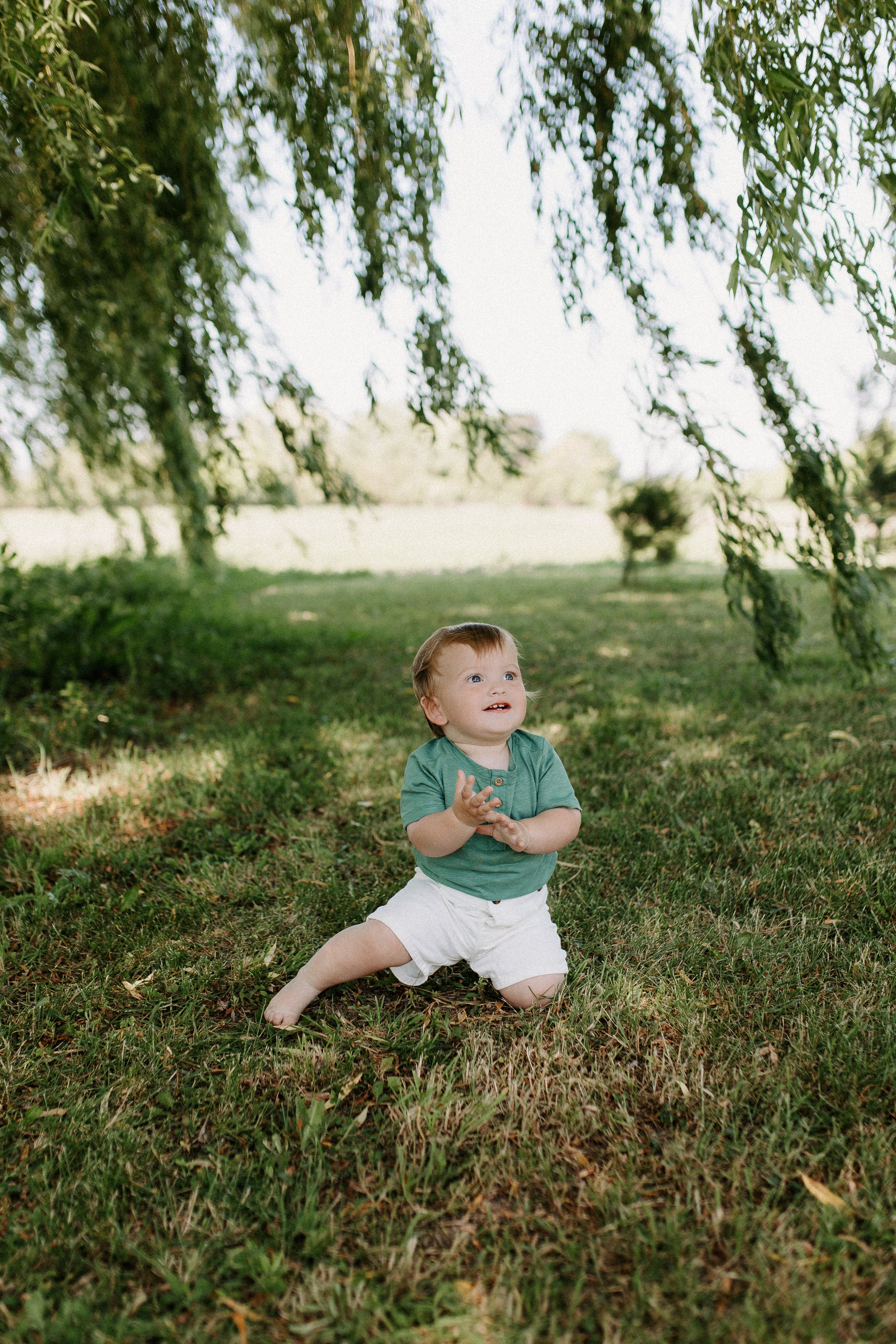
Ezra is a wildly energetic little guy who never slows down.
He was diagnosed with VLCAD deficiency during his first metabolic crisis at just 20 hours old thanks to an incredible team of metabolic specialists at McMaster Children's Hospital in Ontario, Canada.
From the very beginning, Ezra's journey has been filled with challenges.
To help meet his nutritional needs, he has relied on g-tube feedings since birth. Like many children living with VLCAD deficiency, Ezra experiences episodes of rhabdomyolysis. However, for Ezra, these episodes can last for extended periods of time and require intensive medical intervention.
In just 16 months, Ezra spent more than 150 days hospitalized. He now has a central line for IV access as part of his ongoing care.
Today, daily life revolves around careful monitoring and prevention. Ezra cannot safely sleep through the night without receiving nutrition. Continuous overnight g-tube feeds, medications, and constant monitoring have become part of his family's routine. Even a brief interruption in feeding can create serious concerns.
In addition to VLCAD deficiency, Ezra faces complications involving his liver and heart. His medical team monitors him closely, including weekly bloodwork to track creatine kinase (CK) levels because he has not yet been stable enough to go more than seven days between checks.
Despite these challenges, Ezra continues to show incredible strength and determination. His family remains hopeful that with age, improved treatments, and future clinical trials, he will become more medically stable and experience a greater quality of life.
For families like Ezra's, research is more than science—it is hope. It represents the possibility of fewer hospitalizations, improved disease management, and a brighter future for children living with VLCAD deficiency.
-
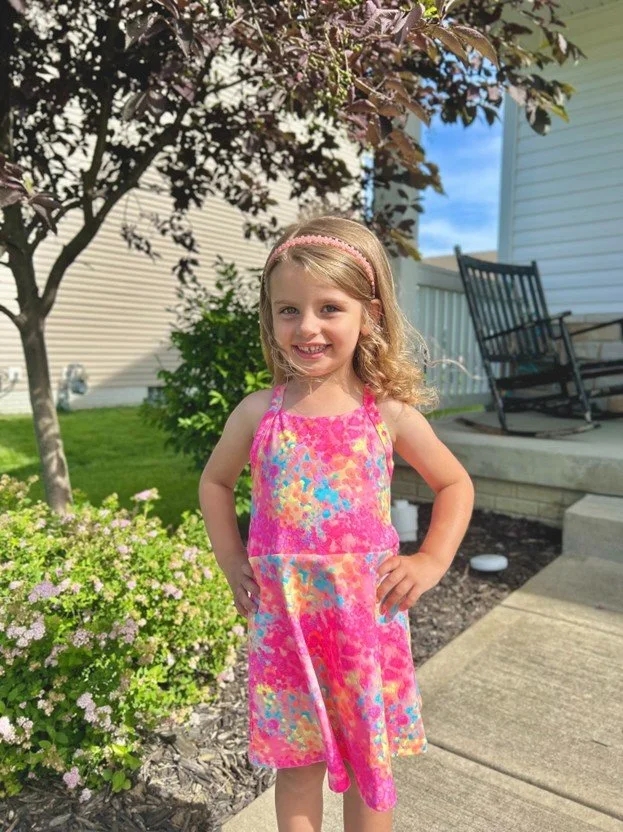
Five days after our daughter Isla was born, a routine newborn screening revealed elevated markers for VLCAD, a rare metabolic disorder that affects the body’s ability to use certain fats for energy. Like many parents receiving an unexpected diagnosis, we were overwhelmed with fear, uncertainty, and questions about what the future might hold.
At just seven days old, Isla began care with the Metabolic Genetic team at Nationwide Children’s Hospital. While the diagnosis brought many unknowns, our medical team provided guidance, expertise, and hope. Since then, Isla has followed a strict low-fat diet and treatment plan designed to meet her unique energy needs.
Living with VLCAD requires constant vigilance, but today Isla is thriving. Despite more than 40 blood draws, constant monitoring, and a week long hospital stay, her heart and liver functions remain healthy, and she lives the active, joyful childhood we once worried might not be possible. At 3½ years old, she is energetic, determined, and full of life.
A VLCAD diagnosis can bring fear and uncertainty, but it also revealed incredible resilience and the strength of a supportive community. Thanks to Ohio’s Newborn Screening Program, the dedicated team at Nationwide Children’s, and connections with other metabolic families, what began as one of the most difficult moments of our lives has become a journey filled with hope.
VLCAD is part of Isla’s story, and she continues to grow, thrive, and inspire us and others every day.
-
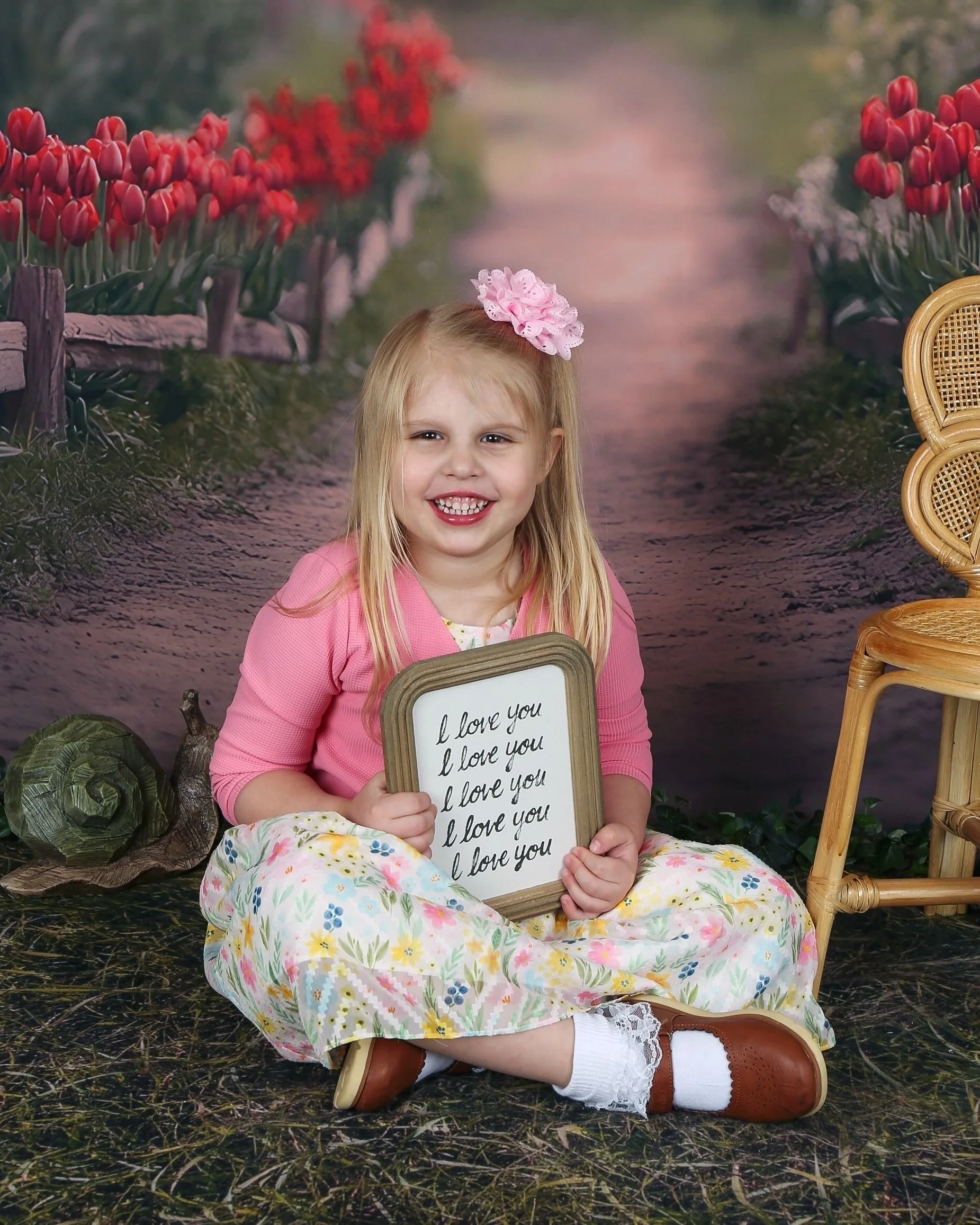
Maddie was diagnosed with VLCAD deficiency through newborn screening when she was just 7 days old. What began as a routine phone call quickly turned our world upside down. After additional testing, her diagnosis was confirmed through genetic testing at 3 months old.
Like many rare disease families, we found ourselves learning an entirely new language overnight. We became students of metabolic disorders, researchers, advocates, and caregivers while trying to navigate the fear that comes with knowing your child is at risk for serious complications. Every illness, every fever, and every stomach bug carried a level of uncertainty most families never have to think about.
Since birth, Maddie has been hospitalized more than 20 times due to complications related to VLCAD deficiency, including multiple episodes of rhabdomyolysis. Her journey has involved countless blood draws, IVs, emergency room visits, and hospital stays. Yet through every challenge, she continues to amaze us with her resilience, determination, and ability to keep moving forward.
What makes Maddie truly special is the light she brings to everyone around her. She is the kind of child who fills a room with energy, makes people smile, and finds joy even in difficult moments. She has earned the nickname "The Spark" because of the way she inspires others with her positivity, strength, and endless spirit.
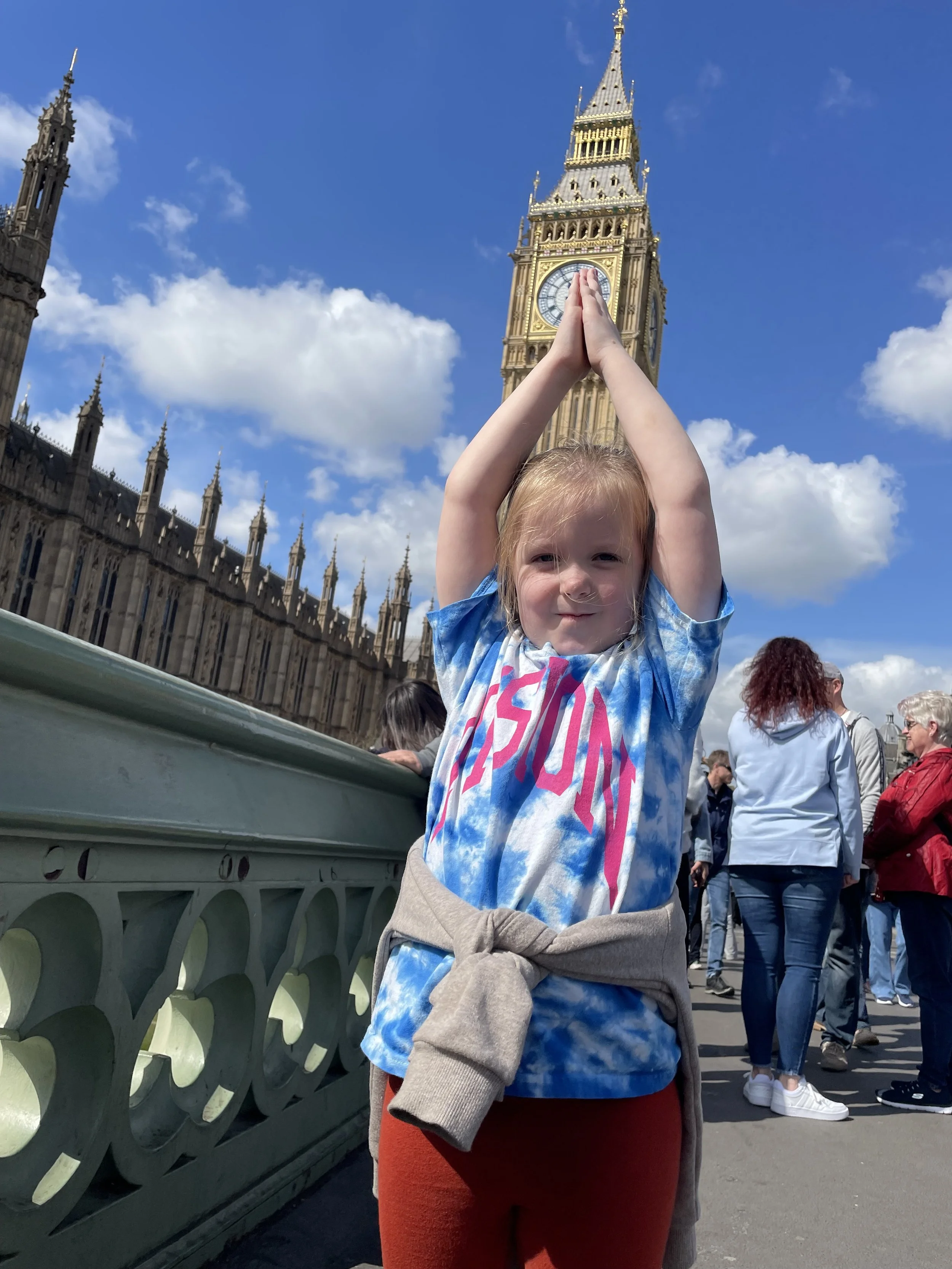
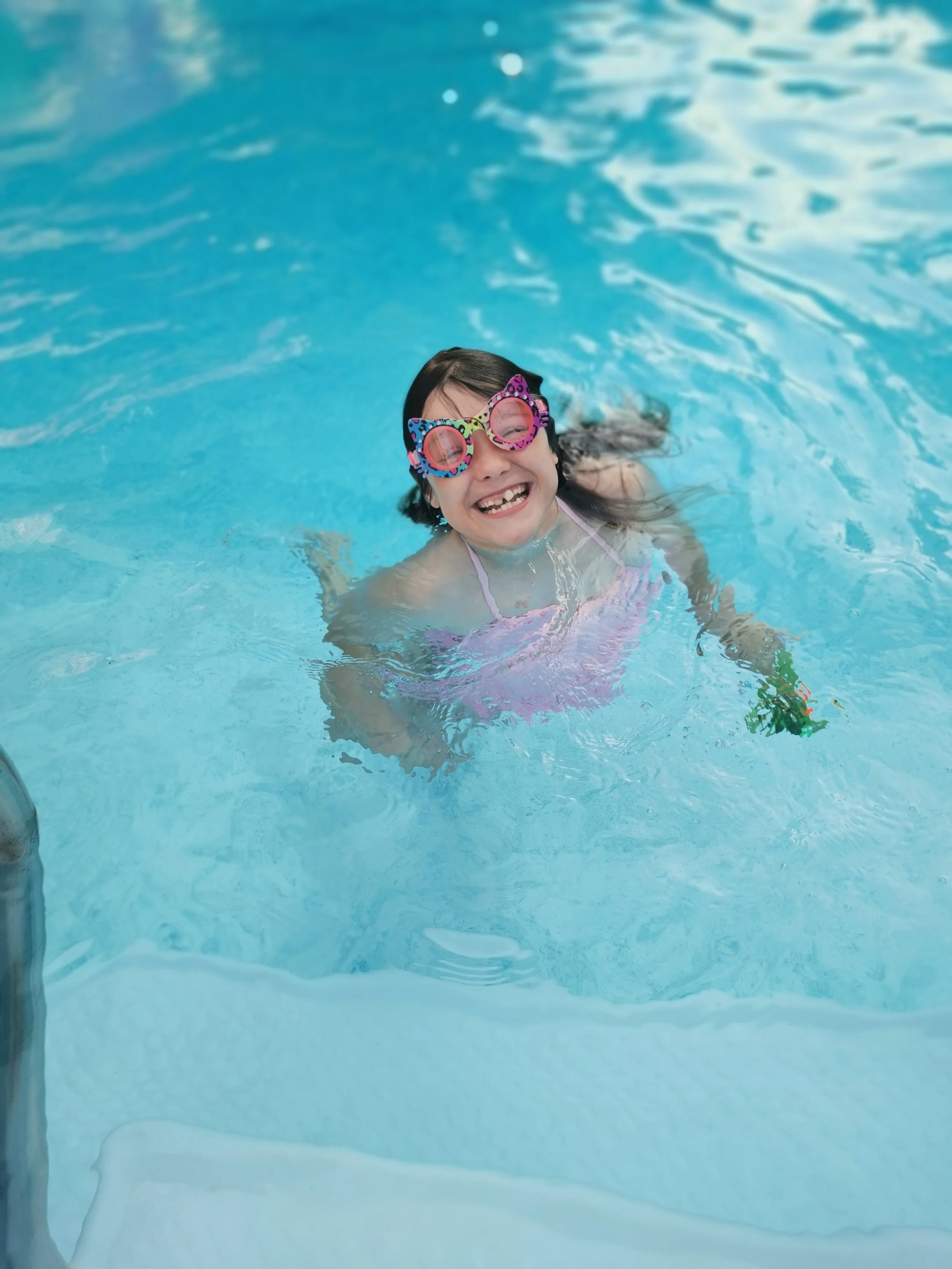
Today, Maddie continues to safely push boundaries and embrace the adventures of childhood. She loves playing outside, swimming, riding her bike, practicing karate, and exploring new places. This year alone, she has enjoyed family adventures to Oglebay, WV, Pigeon Forge, TN, and Niagara Falls, NY.
While VLCAD remains part of her daily life, it does not define who she is.
This fall, Maddie will begin kindergarten, and we couldn't be more excited to watch her continue to grow, learn, and share her spark with the world. Her journey reminds us every day why research, awareness, and advocacy matter, and why we continue to fight for a brighter future for every child living with VLCAD deficiency.
-
Violet is the eldest child, born in 2018 during what was, frankly, one of the most difficult years of our lives. Violet's father and I had each lost a parent that year—his mother before we could share that we were expecting, and my mother just three weeks before Violet was born.
After a textbook pregnancy and complication-free delivery, Violet arrived as a healthy 7-pound, 6-ounce baby with big blue eyes. To say she was a light in the darkness would be an understatement.
When Violet was four days old, we attended her newborn pediatrician appointment. It was there we learned she had been flagged through newborn screening for a fatty acid oxidation disorder called VLCAD deficiency. We were immediately sent for additional testing at Cincinnati Children's Hospital.
Because VLCAD deficiency is so rare, even her incredible pediatrician had never encountered the condition before. One of the greatest blessings in our journey has been access to Cincinnati Children's and a pediatrician who immediately stepped into a support role, educated herself, and partnered closely with our metabolic team.
Very quickly, Violet's diagnosis was confirmed. We were told she carried two extremely rare mutations—so rare that only one other person had ever been documented with the same combination. Even the genetics specialists could not predict how severe her condition would be.
Like many rare disease parents, we found ourselves becoming students, researchers, advocates, and caregivers almost overnight.
Despite the fear that accompanied every illness, every stomach bug, every emergency room visit, and every echocardiogram, Violet has continued to thrive.
Today, Violet is 7 years old and preparing to enter second grade. She keeps up with her peers, loves being active outdoors, and has even traveled internationally. She has become an advocate for her own health and confidently communicates her needs. She is also a proud big sister to Levi and Oliver.
While managing medications, appointments, illnesses, and daily precautions has become part of life, we have been fortunate in many ways. Violet has only required one hospital admission and has handled physical activity and illness remarkably well. Her diagnosis has since been reclassified as mild.
We still monitor every fever, every cough, and every sign that something could be wrong, but we are incredibly proud of our brave girl. She has brought immeasurable joy to our lives, and we cannot wait to see where her journey takes her next.
-
Brody was born on October 28, 2010, in Virginia. He was absolutely perfect, and little did I know our world was about to change just seven days later. His newborn screening revealed that he had VLCAD, a rare metabolic disorder that would shape so much of his life.
Those first few years were some of the hardest our family has ever faced. We spent countless nights in the children's hospital, wondering what tomorrow would bring and praying for more good days than bad. As a parent, there is nothing harder than watching your child fight battles you can't fight for them.
But Brody did just that, he fought with a strength far beyond his years.
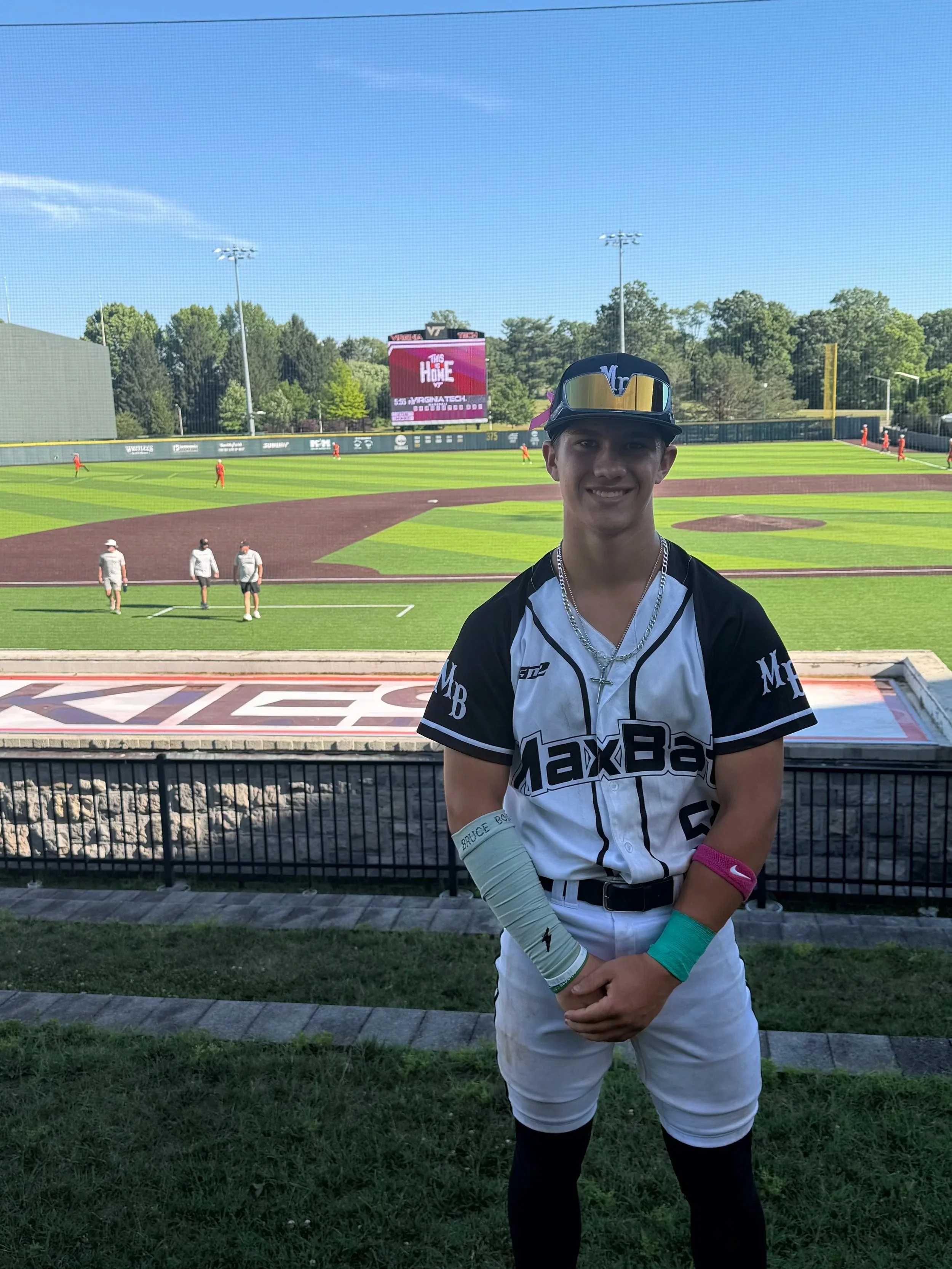
When Brody turned three, life slowly began to get easier. He grew stronger, healthier, and finally got the chance to simply be a kid. He fell in love with sports and approached everything with determination and a competitive spirit. While he enjoyed them all, baseball stole his heart. Watching him step onto that field was something we once weren't sure we'd ever get to see, and every game has felt like a gift.Then, at just 10 years old, our world was turned upside down again. Brody's left ventricle became enlarged, and his heart was beginning to fail. Once again, fear became part of our daily lives. We were blessed to find an incredible team at Pittsburgh Children's Hospital, where a compassionate doctor started him on Dojolvi. That medication changed the course of his life. Slowly, his heart became stronger, and hope returned to our family.
Today, Brody continues to see his cardiologist and genetic specialist every few months. Living with VLCAD isn't something he can forget about, but you would never hear him complain. Instead of asking, "Why me?" he chooses to ask, "How can I help someone else?"
Brody's dream is to become a genetic counselor. He wants to be the person who sits beside frightened families on the day they receive a diagnosis like ours, offering hope from someone who truly understands. He knows what it's like to have your world turned upside down, and he wants other children and parents to know that a diagnosis doesn't have to define a life.
If sharing Brody's story gives even one family hope, then it's worth telling. His journey hasn't been easy, but it has been filled with incredible doctors, answered prayers, unwavering determination, and a little boy who refused to let his diagnosis steal his joy.
-
Annabelle’s story began before she was even given a chance to come home.
She is a twin, born four weeks early alongside her twin brother. She also has an older brother who is two and a half years older, making our family complete. None of us could have imagined the journey that lay ahead.
In those first few days of life, Annabelle struggled with low blood sugars and frequent vomiting. We were reassured that this could simply be because she and her brother had been born prematurely. As parents, we wanted to believe everything would be okay.
On the day we were supposed to be discharged, just before handing us the paperwork to take both babies home, Annabelle’s pediatrician decided to check her blood sugar one last time—just to be safe. That one simple decision saved her life.
Her blood sugar had dropped to 2 mmol/L. She was immediately rushed to the nursery, where she was given glucose and placed under a heat lamp. It was the second time in her three short days of life that this had happened. We hoped it would work like it had before.
It didn’t.
An hour later, her blood sugar had fallen even further—to 1 mmol/L.
Everything happened so quickly. She was rushed to the NICU, connected to IVs, monitors, and life-saving equipment. The pediatrician caring for her in the NICU had previously treated a child with Medium-chain acyl-CoA dehydrogenase deficiency. Trusting her instincts, she immediately began treating Annabelle as though she had the same condition, even before any diagnosis had been confirmed.
That second pediatrician’s experience and quick thinking saved Annabelle’s life.
Two days later, the diagnosis was confirmed.
At just five days old, thanks to newborn screening, Annabelle was diagnosed with Very long-chain acyl-CoA dehydrogenase deficiency.
She spent the next 18 days in the NICU fighting for her life.
One of the hardest moments of my life was leaving the hospital with one baby while my daughter remained behind. As a mother of newborn twins, I had to leave with my son while Annabelle stayed in the NICU. At home, I was also trying to care for our two-and-a-half-year-old son, who suddenly had his parents constantly coming and going. My heart was torn in every direction.
To make things even harder, this all happened at the very beginning of the COVID-19 pandemic. Hospital restrictions, uncertainty, and isolation made an already unimaginable situation even more heartbreaking.
Just when we thought we had found our new normal, another battle began.
At six months old, after receiving her routine six-month vaccinations, her body went into metabolic crisis. The stress on her body caused her CK level to soar to 60,000. At home she became frighteningly unresponsive, and we rushed her back to the hospital. It was the first of many metabolic crises.
Today, Annabelle is six years old.
She has been hospitalized more than 45 times.
She has undergone G-tube surgery and two port surgeries. Her CK levels have climbed as high as 75,000. She receives approximately 95% of her nutrition through her G-tube, from her specialized metabolic formula. She is limited to just 5 grams of fat per day, and because her body cannot safely go more than three hours without nutrition, she receives continuous overnight tube feeds while she sleeps.
Her daily life looks very different from most children her age. Her physical activity must be carefully limited to prevent muscle breakdown. She is followed closely by a team of specialists, including pediatricians, metabolic physicians and cardiologists, with frequent appointments throughout the year.
Years of hospitalizations, emergency interventions, surgeries, bloodwork, and countless medical procedures have also left invisible scars. Annabelle has been diagnosed with Post-traumatic stress disorder as a result of the medical trauma she has endured.
And yet…
If you met Annabelle, you would never guess the battles she fights every single day.
She is vibrant, joyful, funny, and full of life. She meets every challenge with courage and an incredible smile. She refuses to let her diagnosis define who she is. She continues to laugh, dream, play, and love with a strength far beyond her years.
She has taught our family what true resilience looks like.
To the world, Annabelle is a little girl living with VLCAD. To us, she is so much more.
She is our miracle. She is our fighter. She is our inspiration. She is MY HERO. -
When Amelia was born at 34 weeks gestation, her family received news they never expected: her newborn screening results were positive for VLCAD deficiency.
At first, they were told there was a good chance her condition would be mild. Like many families receiving a rare disease diagnosis, they hoped the challenges ahead would be limited and manageable.
But Amelia's journey quickly proved more complicated.
Around 3 months old, Amelia was hospitalized for nearly a month due to failure to thrive and swelling in her heart. During that hospitalization, her family received the results of her enzyme testing and learned that Amelia's enzyme function was only 2%.
Everything changed.
What had initially been expected to be a milder form of VLCAD was now understood to be much more severe. Her medical team adjusted her diet, medications, and overall treatment plan. Amelia underwent G-tube surgery, and her family was introduced to an entire team of specialists, including metabolic physicians, dietitians, social workers, and other healthcare professionals who would become an important part of her care.
Amelia spent her first Christmas in the hospital.
Since then, her family says she has experienced more hospitalizations than they can count—far more than any child should have to endure. Yet despite the challenges VLCAD has brought into her life, Amelia has never let it define who she is.
Today, Amelia is an energetic, caring, lovable, and determined 8-year-old who leaves an imprint everywhere she goes.
She loves softball. She enjoys gymnastics. She brings joy to the people around her and continues to show her family what resilience looks like every day.
Living with VLCAD has also taught Amelia to understand her body in ways many children her age never have to. She knows she needs extra fluids and snacks before physical activity. She recognizes when something doesn't feel right and has become increasingly confident in advocating for herself as she learns more about her condition.
Even as a toddler, Amelia found ways to communicate when her muscles were hurting. Her parents remember that she would often walk on her tiptoes when her muscles became sore, helping them recognize when something was wrong.
Over the years, Amelia has taught her family important lessons as well.
They have learned to trust their instincts, especially during illnesses that can affect individuals with VLCAD much more severely than their peers. They've learned when something feels "different" and when it may be time to seek medical care. While they continue learning every day, their knowledge and experience have helped them become strong advocates for their daughter.
Amelia's journey has also shaped the lives of those around her. Her younger sisters are growing up understanding why Amelia sometimes needs hospital care, and extended family members, teachers, and school staff have all learned alongside them.
One misconception Amelia's family encounters is the belief that she will eventually outgrow VLCAD.
The reality is that VLCAD is a lifelong metabolic disorder.
While treatments, careful disease management, and advances in research help individuals with VLCAD live full and active lives, the condition does not simply disappear with age. Daily planning, monitoring, and advocacy remain important parts of life for many individuals and families affected by VLCAD.
Amelia's story is a powerful reminder that behind every diagnosis is a child with dreams, talents, and a personality all their own.
She is a softball player.
A gymnast.
A big sister.
A friend.
A daughter.
And while VLCAD is part of her story, it is only one chapter in the remarkable person she continues to become.
