
Adult Diagnosis of VLCAD Deficiency: Kevin's Story and Why Awareness Still Matters
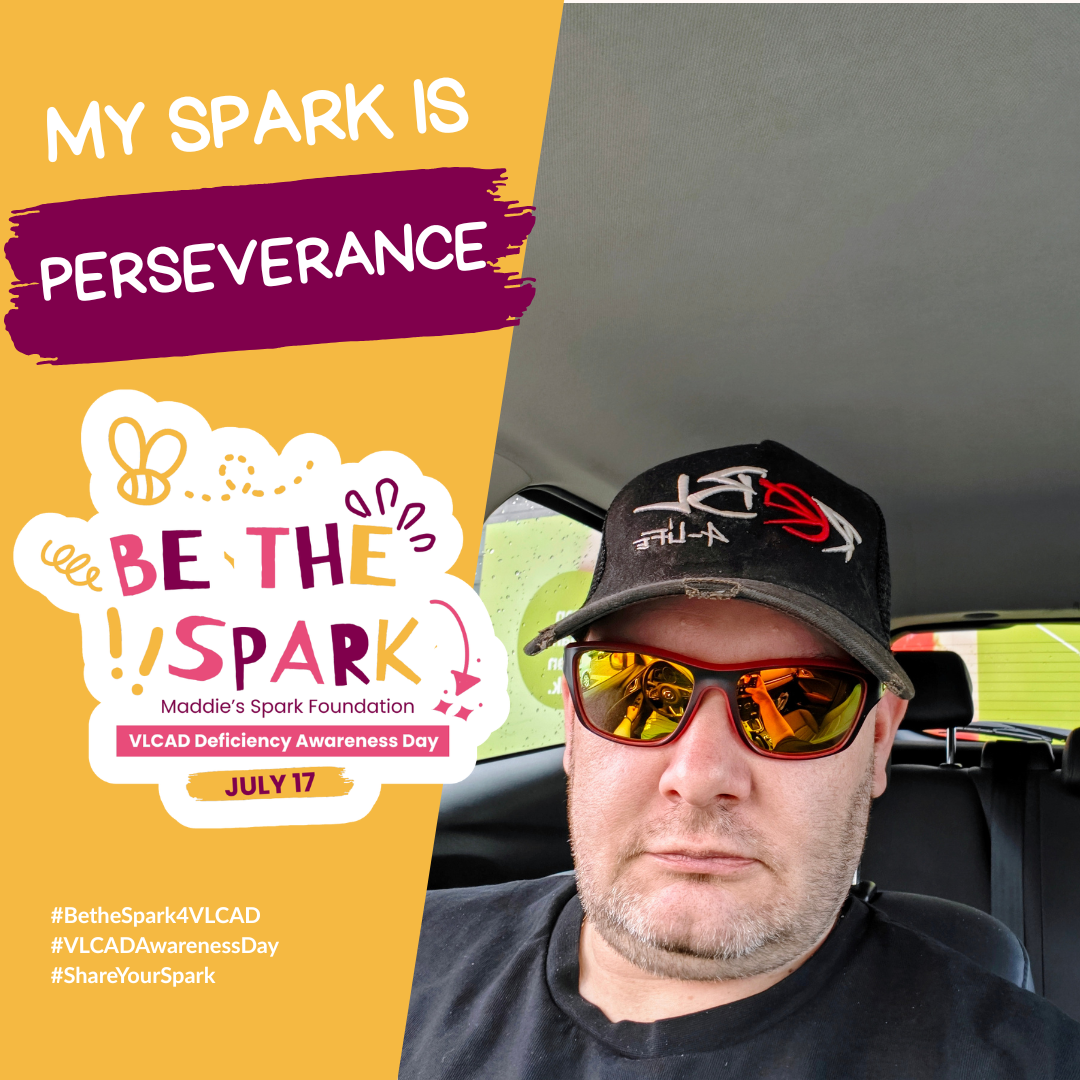
When many people think of VLCAD deficiency, they think of newborn screening, metabolic clinics, and young children learning to manage a rare disease from the very beginning of life.
But for a growing number of adults around the world, that wasn't their experience.
Long before VLCAD deficiency became part of newborn screening programs, many individuals lived for years—or even decades—without knowing they had a rare metabolic disorder. Some experienced symptoms throughout childhood and adulthood. Others didn't receive a diagnosis until a serious medical event finally led doctors to search for answers.
Kevin's story is one example of why awareness of adult-onset and late-diagnosed VLCAD deficiency remains so important.
Nearly Four Decades Without Answers
Kevin, who lives in the Netherlands, was born before VLCAD deficiency was added to his country's newborn screening program in 1997.
Like many adults living with VLCAD today, he spent most of his life without knowing he had a metabolic condition that affected how his body produces energy.
In November 2019, Kevin became seriously ill. What initially seemed like the flu quickly turned into a life-threatening medical emergency. After weeks of severe muscle pain, fatigue, nausea, and vomiting, he sought medical care.
By the time he arrived at the hospital, his kidneys had failed, and his heart was beginning to fail as well.
Doctors rushed him into emergency treatment, including dialysis. He temporarily lost the ability to walk and was later diagnosed with severe rhabdomyolysis—a potentially dangerous condition in which muscle tissue rapidly breaks down and releases proteins into the bloodstream that can damage organs, including the kidneys.
Doctors were able to save Kevin's life.
What they couldn't explain was why it happened.
The Diagnosis That Connected the Dots
Determined to understand what caused his medical crisis, Kevin continued pursuing answers.
Months later, specialists identified the underlying cause: Very Long-Chain Acyl-CoA Dehydrogenase (VLCAD) Deficiency.
For the first time, many pieces of his life began to make sense.
The fatigue he had experienced for years.
The times he struggled with energy when others seemed unaffected.
The occasions when he was labeled as lazy despite feeling physically exhausted.
Even a mysterious childhood medical emergency that had never been fully explained suddenly fit into a larger picture.
Like others living with VLCAD, Kevin learned that his body has difficulty breaking down certain long-chain fats for energy. During times of illness, fasting, prolonged exercise, or increased energy demand, the body may not be able to access the energy it needs, increasing the risk of muscle breakdown, rhabdomyolysis, heart complications, and other serious symptoms.
VLCAD Doesn't Only Affect Children
Newborn screening has transformed the landscape of VLCAD diagnosis.
Today, many babies with VLCAD deficiency are identified shortly after birth, often before symptoms occur. Early diagnosis allows families to begin medical management, develop emergency plans, and work closely with metabolic specialists.
This progress has saved lives.
However, Kevin's story highlights an important reality: VLCAD is not only a childhood condition.
There are adults around the world who were born before newborn screening became available. Others may have milder or later-onset forms of VLCAD that are not recognized until adolescence or adulthood.
Some individuals spend years searching for explanations for recurring muscle pain, exercise intolerance, episodes of rhabdomyolysis, chronic fatigue, or unexplained medical events before receiving a diagnosis.
For many, the diagnosis brings both relief and frustration—relief in finally having answers, and frustration that those answers took so long to find.
Turning a Diagnosis Into Awareness
Rather than keeping his experience to himself, Kevin chose to share his journey.
Today, he documents life with VLCAD through his personal blog and YouTube channel, openly discussing the realities of living with a rare metabolic disorder.
His content helps others better understand how VLCAD can affect everyday life—from energy management and recovery after illness to work, exercise, and daily activities that many people take for granted.
Most importantly, his willingness to share his story reminds others that they are not alone.
Why Adult VLCAD Awareness Matters
As newborn screening continues to improve outcomes for future generations, it's important not to overlook the adults living with VLCAD today.
Many spent years without answers.
Many experienced symptoms long before they understood the cause.
And many continue to navigate a disease that remains largely unfamiliar to the general public.
Kevin's story is a reminder that awareness is about more than early diagnosis. It's also about helping individuals recognize symptoms, encouraging healthcare providers to consider rare diseases, and ensuring that fewer people spend a lifetime searching for answers.
Because VLCAD deficiency doesn't have an age limit.
It affects children, teenagers, and adults in countries around the world.
And every story shared helps shine a light on a disease that too many people have never heard of until it becomes part of their own story.
